The History of Food Not Bombs


In the spring of 1980, as Cold War anxieties deepened and the United States prepared to expand its nuclear arsenal, a small group of anti-war activists in Cambridge, Massachusetts staged a quiet but pointed act of dissent. Rather than chant slogans alone, they ladled soup.
The collective would soon call itself Food Not Bomb, a name that functioned less as a brand and more as an accusation.
Origins in an Era of Escalation
The late 1970s and early 1980s were marked by renewed superpower tensions. The United States government increased military spending, citing Soviet aggression. At the same time, American cities were confronting a growing homelessness crisis and widening economic inequality.
Among those disturbed by this contradiction was Keith McHenry, one of the early organizers. He and fellow activists posed a moral question that would define the movement:
“Why are there always funds for weapons, but never enough for food?”
Their response was disarmingly practical. They recovered surplus food—items that supermarkets and markets would otherwise discard. They prepared simple vegetarian meals, and served them free in public parks. The act was intentionally public, framed as political theater. Behind folding tables and pots of soup, banners declared their message: resources should nourish people, not finance war.
Structure Without a Center
Unlike traditional charities, Food Not Bombs never incorporated into a centralized nonprofit organization. There is no headquarters issuing directives, no formal hierarchy distributing funds.
Instead, chapters form autonomously. Volunteers organize through consensus-based decision-making, reflecting principles commonly associated with anarchist political philosophy. The movement’s decentralized structure has allowed it to proliferate.
By the 1990s, chapters had emerged across the United States and abroad; today, Food Not Bombs groups operate in dozens of countries.
This absence of central authority has proven both a strength and a point of friction. It makes the network resilient and difficult to dismantle. It also means that each chapter interprets the movement’s principles independently.
Public Food as Civil Disobedience
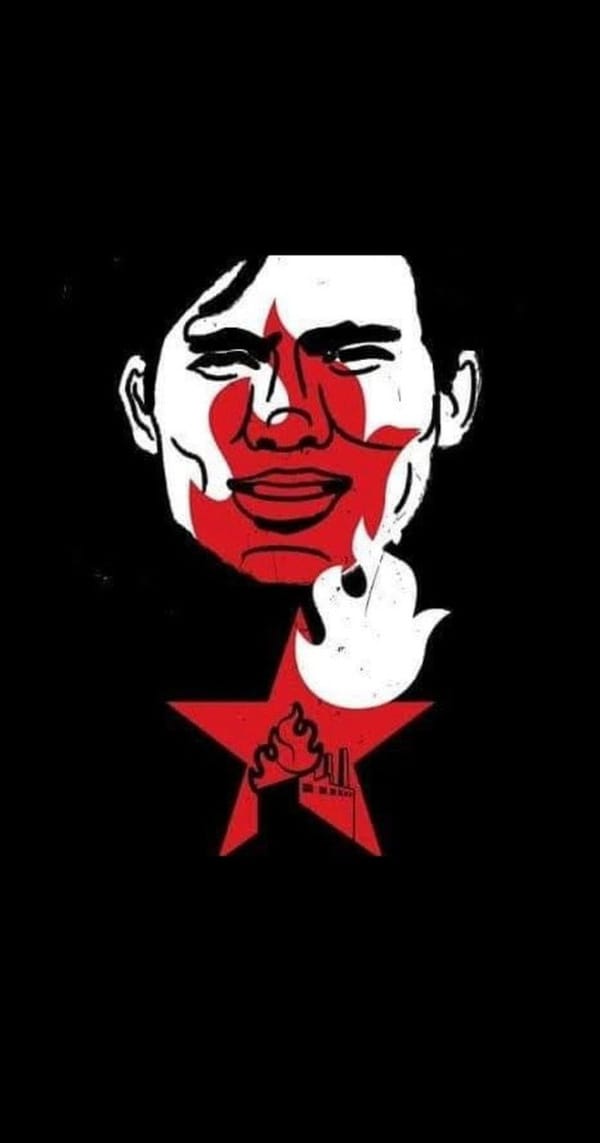
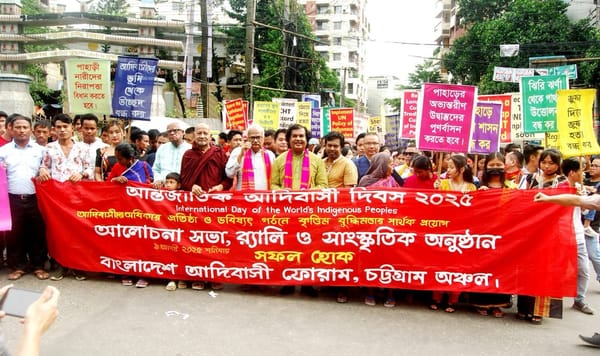
Food Not Bombs distinguishes itself from many hunger-relief organizations through its insistence on serving meals in visible, public spaces, often without permits. Even in Indonesia, many anarchist together make a food not bomb as a movement.
In cities such as San Francisco and Orlando, volunteers have been arrested for violating municipal regulations governing public food distribution. Local authorities frequently cite health and safety concerns. Activists counter that such restrictions effectively criminalize compassion and shield public space from political expression.
For Food Not Bombs, these confrontations are not incidental. They underscore the movement’s central thesis: hunger persists not because of scarcity, but because of political priorities.
Veganism and Nonviolence
Most Food Not Bombs chapters serve vegan or strictly vegetarian meals. The choice is pragmatic and symbolic. Plant-based dishes are less expensive, reduce concerns about food safety, and avoid conflicts with religious dietary laws. At a deeper level, the decision reflects a broader commitment to nonviolence.
In rejecting animal slaughter and military violence simultaneously, the movement links daily consumption to global systems of power. The plate becomes a political statement.
Mutual Aid, Not Charity
Food Not Bombs frames its work as mutual aid rather than charity. This distinction is philosophical as much as practical. Charity implies hierarchy: donors and recipients, benefactors and beneficiaries. Mutual aid proposes solidarity among equals.
The concept traces intellectual lineage to the writings of Peter Kropotkin, who argued in the early twentieth century that cooperation, not competition, underpins human survival. Food Not Bombs adopts this ethos in its refusal to require documentation, identification, or proof of need. Meals are offered to anyone who arrives.
Presence in Protest Movements
Over the decades, Food Not Bombs has appeared wherever political dissent gathers. During Occupy Wall Street, volunteers provided daily meals to demonstrators in New York’s Zuccotti Park. After natural disasters, chapters have organized community kitchens when official relief lagged behind.
The movement’s portability its ability to transform surplus food into immediate sustenance makes it adaptable to crises. Its political messaging ensures that such aid is never presented as neutral.
Criticism and Debate
Food Not Bombs has not been without detractors. Critics argue that informal food distribution can bypass safety standards or undermine coordinated social services. Some municipal leaders contend that unregulated gatherings strain public spaces.
Supporters respond that food waste in industrialized economies dwarfs the modest volumes redistributed by volunteer kitchens. They view their actions less as service provision and more as moral demonstration.
The debate often hinges on differing interpretations of public order. Is feeding the hungry an act of care, protest, or both?
Endurance Through Simplicity
More than four decades after its founding, Food Not Bombs persists. Its endurance stems partly from its minimal requirements: surplus food, a pot, a public space, and a willingness to serve. There are no membership dues, no official certifications, no professional staff necessary to begin.
At its core, the movement transforms an everyday act. Sharing a meal into a critique of global priorities. In doing so, it collapses the distance between humanitarian aid and political resistance.
The original question posed in Cambridge in 1980 remains unresolved. Nations continue to allocate vast sums to defense budgets while hunger persists in cities worldwide. Food Not Bombs does not claim to solve this contradiction.
It insists only that it be seen.
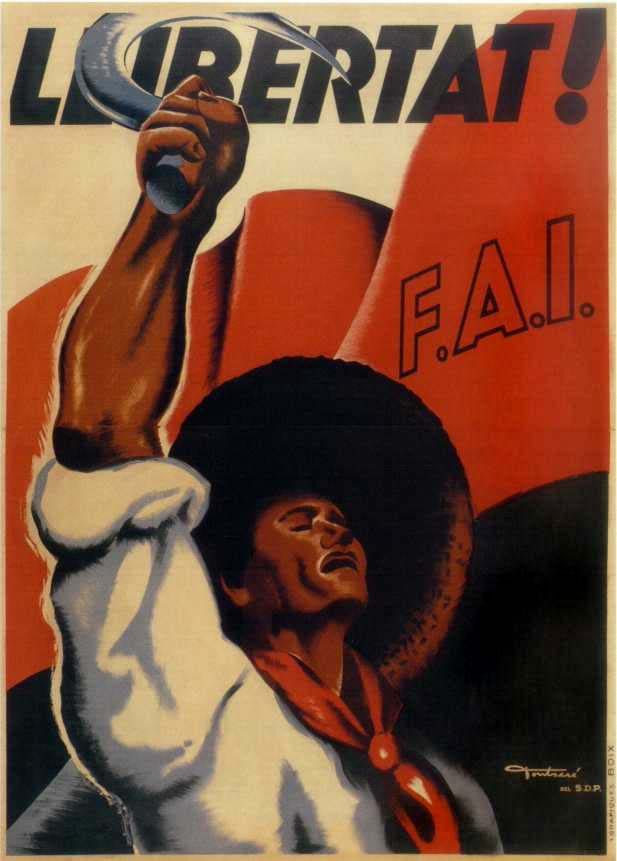
More than four decades after its founding, Food Not Bombs (FNB) remains one of the most visible and enduring anarchist-inspired movements operating in public space. While it presents itself primarily as a network sharing free meals, its contemporary identity is deeply intertwined with anarchist political philosophy, mutual aid organizing, and anti-capitalist critique.
Today, Food Not Bombs is less a protest tactic and more a living model of anarchist praxis.
Decentralization as Political Structure
Food Not Bombs operates without a central governing authority. There is no executive board, no national office directing strategy, and no standardized operational manual imposed from above.
Each local chapter makes decisions by consensus, organize autonomously, determines its own political tone and level of activism, shares resources horizontally with other chapters.
This structure reflects classic anarchist principles suck as rejection of hierarchy, opposition to centralized authority, and of course emphasis on voluntary cooperation
Rather than lobbying the state to solve hunger, Food Not Bombs attempts to bypass state structures entirely. Its message is implicit in its method: communities can meet their own needs without bureaucratic mediation.
Mutual Aid in the 21st Century
In recent years, particularly during the COVID-19 pandemic till now, Food Not Bombs has often described itself as part of a broader mutual aid ecosystem. Mutual aid differs from charity in that it frames assistance as solidarity rather than service provision.
During the pandemic, many chapters expanded distribution, some coordinated grocery deliveries and others collaborated with housing justice groups. The crisis reinforced a core anarchist claim: when institutions fail, decentralized networks can respond quickly and locally..
The crisis reinforced a core anarchist claim: when institutions falter, decentralized networks can respond quickly and locally.
Political Alignment and Contemporary Activism
Although not every volunteer identifies as anarchist, the movement’s ideological alignment is clear in several areas:
Anti-Militarism
The original critique of military spending remains central. Many chapters participate in anti-war demonstrations and explicitly connect food insecurity to state budget priorities.
Anti-Capitalism
Food recovery efforts highlight systemic overproduction and waste. By redistributing discarded food, FNB exposes contradictions within capitalist supply chains—where surplus and hunger coexist.
Solidarity with Social Movements
Food Not Bombs chapters frequently appear at climate justice protests, housing rights demonstrations, Anti-police brutality actions, Labor strikes
During the 2011 protests associated with Occupy Wall Street, Food Not Bombs kitchens became logistical anchors for demonstrators. More recently, they have provided meals at environmental and anti-eviction encampments.
Conflict with Municipal Authorities
Tensions with city governments persist. In municipalities such as Houston and Orlando, authorities have enforced permit requirements or food-sharing restrictions, leading to arrests or legal disputes.
From an anarchist perspective, these confrontations are not peripheral; they are diagnostic. They illustrate how public space, health regulations, and property norms can be mobilized to regulate grassroots care.
Critics frame these laws as necessary for public safety. Food Not Bombs frames them as tools of social control.
Veganism as Ethical Extension
The predominance of vegan meals remains significant. While partly practical, the choice reflects a broader nonviolence ethic—aligning opposition to war with opposition to industrial animal agriculture.
The plate, in this context, becomes ideological terrain.
Food Not Bombs as Anarchist Praxis
If anarchism can be defined not merely as opposition to the state but as the construction of alternative social relations, then Food Not Bombs represents one of its most sustained contemporary expressions.
It does not campaign for electoral reform. It does not draft legislation. It does not build formal institutions.
Instead, it performs a simple act in public view: feed people freely, collectively, without permission.
In doing so, it asks a question that remains politically charged:
If communities can organize food, what else might they organize without hierarchy?
That question—more than the meals themselves—continues to define Food Not Bombs today.